
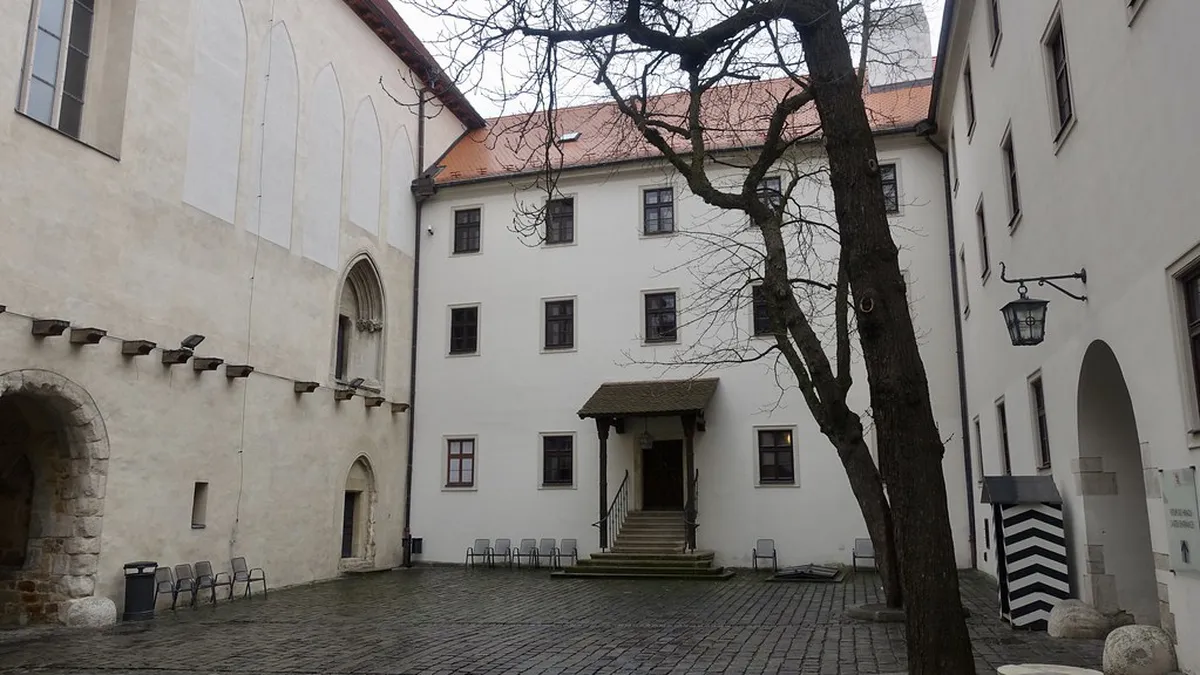
Guide to Špilberk Castle History and Casemates in Brno
Understanding Špilberk Castle history and casemates is vital for any visitor to Brno. This massive fortress dominates the city skyline from its hilltop perch. It has served as a royal palace, a military stronghold, and a feared prison. Today, it stands as a symbol of resilience and local pride. Visitors can explore dark tunnels and enjoy stunning views of the city. It is one of the must-see places in Brno for history lovers. You will find layers of stories hidden within its thick stone walls.
10 Must-See Highlights at Špilberk Castle
The castle complex is large and offers many different experiences. You should plan to spend several hours here to see everything. From the depths of the earth to the top of the towers, there is much to discover. Here are the top items to include on your itinerary.
- Quick Pick: Best for History - The Prison of Nations Exhibition
- Quick Pick: Best for Families - The Castle Lookout Tower
- Quick Pick: Best for Atmosphere - The Baroque Casemates
- Quick Pick: Best Free Activity - Walking the Castle Moat
- Name: The Baroque Casemates Type: sight Why go: These are the most famous part of the castle. They served as a brutal prison for the worst criminals. Best for: History buffs and fans of dark tourism. Where: North side of the castle. Time: 1 hour. Cost: Paid entry. Getting there: Follow signs from the main courtyard. Tip: Wear a jacket as it is cold underground even in summer.
- Name: The Prison of Nations Exhibition Type: experience Why go: Learn about the political prisoners held here during the Habsburg era. It shows the castle's transition into a high-security jail. Best for: Learning about European political history. Where: Main castle building. Time: 1.5 hours. Cost: Paid entry. Getting there: Enter through the main museum entrance. Tip: Check the what to see inside Špilberk Castle casemates guide for more details.
- Name: The Castle Lookout Tower Type: sight Why go: It offers the best 360-degree view of Brno. You can see the Cathedral and the distant hills. Best for: Photographers and families. Where: Corner of the inner courtyard. Time: 30 minutes. Cost: Small additional fee. Getting there: Access via the stairs near the ticket office. Tip: Go at sunset for the best lighting.
- Name: The Carillon (Glockenspiel) Type: experience Why go: It is one of the largest carillons in Europe. It plays different melodies every hour. Best for: Music lovers. Where: The large castle courtyard. Time: 10 minutes. Cost: Free to hear. Getting there: Walk into the main courtyard area. Tip: Stand in the center of the courtyard for the best acoustics.
- Name: The Temple of Stone (Lapidarium) Type: museum Why go: This section houses original stone sculptures from Brno's destroyed buildings. It is located in a former water tank. Best for: Art and architecture fans. Where: Eastern part of the fortress. Time: 45 minutes. Cost: Paid entry. Getting there: Follow the path toward the eastern bastion. Tip: The lighting inside makes for great moody photos.
- Name: The Royal Chapel of the Holy Trinity Type: sight Why go: A rare example of Gothic and Baroque styles combined. It was once the spiritual heart of the royal palace. Best for: Religious history enthusiasts. Where: Inner castle wing. Time: 20 minutes. Cost: Included in museum ticket. Getting there: Access through the permanent exhibitions. Tip: Look up to see the intricate ceiling frescoes.
- Name: The South Bastion Viewpoint Type: nature Why go: It offers a peaceful place to sit and look toward the southern part of the city. It is less crowded than the tower. Best for: A quiet break. Where: The southern edge of the fortifications. Time: 15 minutes. Cost: Free. Getting there: Walk along the outer defensive walls. Tip: This is a great spot for a picnic.
- Name: The Castle Pharmacy Exhibition Type: museum Why go: See how medicine was practiced in the 18th century. It features original tools and jars. Best for: Curious minds. Where: Ground floor of the museum wing. Time: 30 minutes. Cost: Paid entry. Getting there: Located near the main gift shop. Tip: The smell of old herbs is still present.
- Name: The Castle Moat Path Type: nature Why go: A walk around the base of the walls shows the scale of the fortress. It is a popular spot for locals. Best for: Exercise and casual walks. Where: Surrounding the entire castle. Time: 40 minutes. Cost: Free. Getting there: Use any of the park paths leading to the castle. Tip: Look for the resident goats often grazing on the slopes.
- Name: The 10-Z Bunker Type: day trip Why go: Located just at the foot of the castle hill. This is a Cold War nuclear shelter built into the rock. Best for: Modern history fans. Where: Husova street, below the castle. Time: 1.5 hours. Cost: Paid entry. Getting there: Walk down the hill from the castle entrance. Tip: You can book 10-Z bunker nuclear shelter tours in advance.
A Deeper Look at Špilberk Castle History and Casemates
The story of this site begins in the 13th century. King Přemysl Otakar II founded it as a royal seat. Over time, its role changed from a palace to a fortress. It became a key defense against invading armies. During the Thirty Years' War, it successfully resisted the Swedish siege. This victory made the castle famous across the empire. You can see this military strength in the thick walls and bastions.
In the 18th century, Emperor Joseph II turned it into a prison. It became known as the "Prison of Nations." This was because it held revolutionaries from all over Europe. The Špilberk Castle history and casemates are linked to tales of suffering. Prisoners lived in dark, damp cells with little light. Many famous figures were held here, including Italian poets and Polish rebels. It was considered the harshest prison in the Austro-Hungarian Empire.
During World War II, the Gestapo used the castle. They held many Czech patriots here before sending them to camps. This dark period added another layer to its grim reputation. After the war, the castle was restored for public use. It now serves as the seat of the Brno City Museum. It is a place of education rather than fear. You can find more about visiting by checking how to buy Špilberk Castle tickets online.
Practical Tips for Visiting the Casemates
Visiting the casemates requires some preparation. The tunnels are narrow and can feel cramped. If you suffer from claustrophobia, be aware of this. The temperature stays around 10-12 degrees Celsius all year. Even on a hot summer day, you will need a sweater. The floors are made of uneven brick and stone. Wear sturdy walking shoes to avoid tripping.
Photography is allowed in most areas of the underground. However, you should not use a flash in certain rooms. This helps preserve the old structures and artifacts. Guided tours are available in several languages. These tours provide much more context than walking alone. You can learn about the specific torture methods used here. It is a sobering but fascinating experience for any traveler.
Check the official Go To Brno portal for seasonal hours. The casemates sometimes close for maintenance in winter. It is best to visit in the morning to avoid crowds. School groups often visit in the afternoon. Buying tickets in advance can save you time at the entrance. The castle hill is steep, so allow time for the walk up.
Top Attractions Near Špilberk Castle
After your castle visit, explore the surrounding area. The park around the castle is full of hidden statues. It is a great place to relax and enjoy nature. Just a short walk away is the Denis Gardens. This park offers another beautiful view of the city. It features a large obelisk commemorating the end of the Napoleonic Wars.
Another nearby site is the Cathedral of St. Peter and Paul. Its twin towers are a landmark of the city. You can walk there in about 10 minutes from the castle. The interior is stunning and the bells have a unique history. They ring midday at 11:00 AM instead of 12:00 PM. This tradition dates back to the Swedish siege of the city.
For transport, use the local tram system. It is very efficient and easy to use. You can check schedules on the DPMB public transport website. Most trams stop at the base of the castle hill. From there, it is a 10-minute uphill walk. Brno is a very walkable city for those with good mobility.
Frequently Asked Questions
How much time do I need for Špilberk Castle?
You should allow at least 2 to 3 hours. This gives you enough time to see the casemates and the main museum exhibitions. If you also want to climb the tower and walk the park, plan for a half-day visit.
Are the Špilberk casemates suitable for children?
Yes, but with caution. Older children often enjoy the adventure of the dark tunnels. However, the history of the prison can be quite grim. Some displays show torture devices which might be scary for very young children.
Can I visit Špilberk Castle for free?
You can enter the castle grounds and courtyards for free. This allows you to see the exterior and enjoy the park views. However, the casemates, lookout tower, and museum exhibitions all require a paid ticket.
Špilberk Castle is a cornerstone of Brno's identity. Its long history and dark casemates offer a unique look into the past. Whether you want a history lesson or a great view, this castle delivers. Make sure to wear comfortable shoes and bring a jacket for the underground. Don't forget to explore the nearby must-see places in Brno after your visit. Enjoy your trip to this historic Czech gem!
Official resources
Use these sources for official schedules, tickets, routes, and updates.
- Go To Brno — Official tourism portal; unverified source.
- City of Brno — Official municipal portal; unverified source.
- UNESCO World Heritage - Villa Tugendhat — International heritage designation; unverified source.
- Lonely Planet Brno — Major editorial travel guide; unverified source.
- Visit Czechia — National tourism board; unverified source.
- Brno-Tuřany Airport — Official airport authority; unverified source.