
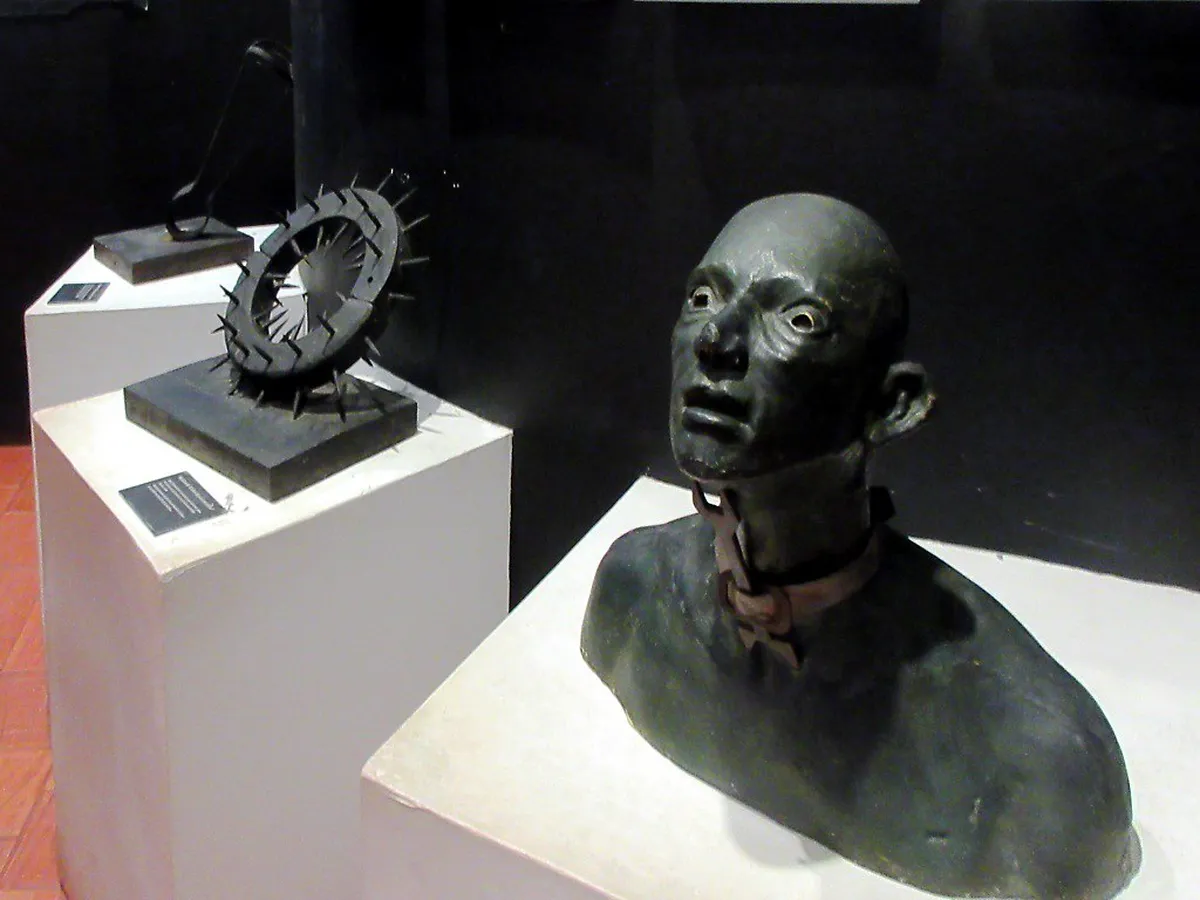
Top Torture Instruments in Spielberk Castle Prison to See
Spielberk Castle stands as a dark symbol over the city of Brno. It was once known as the harshest prison in the Habsburg Monarchy. Visitors today come to see the chilling torture instruments in Spielberk Castle prison. These devices tell a story of pain and political struggle. The underground casemates offer a glimpse into the lives of historical prisoners. This guide will help you explore the most significant artifacts and rooms within this fortress. Prepare for a journey into the shadows of Moravian history.
The Dark History of Brno's Fortress
Spielberk Castle was built in the 13th century. It originally served as a royal residence for Moravian margraves. Over time, it transformed into a massive baroque fortress. By the late 18th century, it became a notorious jail. It earned the name "Prison of Nations" because it held revolutionaries from across Europe. The Spielberk Castle Casemates prison was particularly feared for its damp and dark conditions.
The prison was designed to break the spirit of inmates. Emperors used it to silence political enemies and dangerous criminals. The underground tunnels were converted into small, windowless cells. Many prisoners were chained to the walls for years. You can still feel the heavy atmosphere in the stone corridors today. This site is one of the most unique places in Brno for history buffs.
Torture was a common practice during the early years of the prison. Guards used specific tools to extract confessions or punish disobedience. While many original items were lost, the museum has carefully reconstructed the displays. These exhibits follow historical records and archaeological finds. They provide a realistic look at justice in the 18th and 19th centuries. Understanding this past is essential for any visitor to the castle.
11 Must-See Torture Instruments in Spielberk Castle Prison
The following list highlights the most significant artifacts and areas you will encounter. Each item represents a different aspect of the prison's brutal legacy. Use this list to ensure you don't miss the most important displays during your tour.
- Quick picks:
- Best Overall: The Rack of Spielberk
- Best for History: The Iron Maiden Exhibit
- Best View: The Southern Bastion
- Best Free: Špilberk Park Trails
- Name: The Rack of Spielberk Type: Torture instrument Why go: This is the most famous device for stretching the human body. It demonstrates the physical extremes of historical interrogations. Best for: History enthusiasts. Where: Lower Casemates. Time: 10 minutes. Cost: Included in casemates ticket. Getting there: Follow the signs to the torture chamber exhibit. Tip: Look at the wooden rollers to see how the tension was applied.
- Name: The Iron Maiden Exhibit Type: Torture instrument Why go: This iconic device is lined with sharp spikes inside a metal cabinet. It is a terrifying example of psychological and physical torment. Best for: Dark tourism fans. Where: Punishment Room. Time: 5 minutes. Cost: Included in standard admission. Getting there: Located in the main museum wing. Tip: Read the nearby plaque to learn about its actual historical usage.
- Name: The Strappado Pulley System Type: Torture instrument Why go: This device was used to lift prisoners by their arms tied behind their backs. It caused severe shoulder dislocations. Best for: Understanding interrogation techniques. Where: Interrogation Room. Time: 5 minutes. Cost: Included in ticket. Getting there: Part of the guided casemates route. Tip: Notice the height of the ceiling required for this device.
- Name: The Wooden Pillory Type: Punishment device Why go: This was used for public shaming and minor offenses. It held the head and hands of the prisoner in place. Best for: Families with older children. Where: Castle Courtyard (replica). Time: 5 minutes. Cost: Free to view in the courtyard. Getting there: Walk to the center of the main castle grounds. Tip: This is a popular spot for educational photos.
- Name: The Heavy Iron Shackles Type: Artifact Why go: See the actual chains used to tether "state prisoners" to the stone walls. Some sets weigh over 20 kilograms. Best for: Seeing authentic prison life. Where: Cell Block A. Time: 10 minutes. Cost: Included in ticket. Getting there: Walk through the narrow corridors of the lower level. Tip: Imagine wearing these in the freezing winter months.
- Name: The Death Cell (Cell No. 10) Type: Experience Why go: This tiny room was reserved for those awaiting execution. It is the most somber part of the prison tour. Best for: Quiet reflection. Where: Deepest part of the casemates. Time: 5 minutes. Cost: Included in ticket. Getting there: Follow the path to the end of the eastern wing. Tip: Keep your voice low as a sign of respect.
- Name: The Hunger Cell Type: Experience Why go: Prisoners here were given no food as a form of slow execution. The room is completely bare and windowless. Best for: Understanding prison cruelty. Where: Northwest corner of the dungeon. Time: 5 minutes. Cost: Included in ticket. Getting there: Accessible via the main casemates tour. Tip: Notice the lack of any ventilation in this specific cell.
- Name: The Governor’s Office Type: Museum section Why go: Contrast the luxury of the prison officials with the misery of the inmates. It contains period furniture and documents. Best for: Seeing the administrative side of the fortress. Where: Upper Castle levels. Time: 20 minutes. Cost: Separate museum ticket may be required. Getting there: Enter through the main museum entrance. Tip: Check the maps showing the fortress defenses.
- Name: The Southern Bastion Viewpoint Type: Viewpoint Why go: Get the best view of the Brno skyline and the Cathedral of St. Peter and Paul. It offers a breath of fresh air after the dungeons. Best for: Photographers. Where: Outer castle walls. Time: 15 minutes. Cost: Free access. Getting there: Walk along the perimeter path of the castle. Tip: Visit at sunset for the best lighting.
- Name: The Baroque Chapel of the Holy Trinity Type: Indoor sight Why go: This beautiful chapel served the spiritual needs of the garrison. It features stunning architecture and religious art. Best for: Art lovers. Where: Main castle building. Time: 15 minutes. Cost: Included in the "Castle Through the Centuries" tour. Getting there: Located near the main entrance gates. Tip: Look up at the intricate ceiling frescoes.
- Name: Špilberk Park Trails Type: Nature/Experience Why go: The park surrounding the castle is a peaceful escape. It features historic statues and lush greenery. Best for: Relaxing after the tour. Where: Surrounding the castle hill. Time: 45 minutes. Cost: Free. Getting there: Any path leading down from the castle. Tip: Visit the Go To Brno website for a map of the park trails.
Practical Tips for Your Visit in 2026
Visiting the castle requires some physical effort. The hill is steep, so wear comfortable walking shoes. Most visitors spend about two to three hours exploring the entire complex. You can buy Spielberk Castle Casemates tickets and tours at the main gate. It is often cheaper to buy a combined ticket for all exhibits. The casemates can be very cold, even in summer. Bring a light jacket or sweater for the underground sections.
The castle is easily accessible from the city center. You can walk from the Husova street entrance in about 15 minutes. Alternatively, use the Brno Public Transport system to get close to the hill. Trams 5 and 12 stop at Šilingrovo náměstí. From there, it is a short but uphill walk. If you have mobility issues, check the official site for elevator access details. The castle is generally open year-round, but hours vary by season.
For a complete dark history experience, consider other nearby sites. You might enjoy the 10-Z bunker nuclear shelter tour located at the base of the hill. Brno has many hidden gems that explore different eras. Always check the Visit Czechia portal for the latest event schedules. Booking tours in advance is recommended during the peak summer months. This ensures you get a spot on the English-language guided walks.
Frequently Asked Questions
Are the torture instruments in Spielberk Castle prison original?
Most of the torture instruments in Spielberk Castle prison are high-quality reconstructions. The originals were often destroyed or lost over the centuries. However, the shackles and some prison furniture are authentic artifacts from the 18th and 19th centuries. The reconstructions follow strict historical designs to ensure accuracy.
Is the Spielberk Castle Casemates tour suitable for children?
The tour is generally suitable for older children and teenagers. However, the dark atmosphere and descriptions of torture may be intense for very young children. Parents should use their discretion. The outdoor areas and the main museum exhibits are very family-friendly and offer plenty of space to explore.
How long does it take to see the prison and the torture instruments?
Expect to spend about 45 to 60 minutes in the casemates alone. If you want to see the torture instruments, the museum exhibits, and the castle walls, plan for 2 to 3 hours. The site is large, and there is much to see both above and below ground.
Spielberk Castle is a must-visit for anyone interested in European history. Seeing the torture instruments in Spielberk Castle prison provides a powerful lesson on the past. From the dark cells to the beautiful viewpoints, the fortress offers a diverse experience. Make sure to plan your visit for 2026 to see the latest updated exhibits. After your tour, consider exploring more of the city by visiting unique places in Brno. The city's history is waiting for you to discover its secrets.
Official resources
Use these sources for official schedules, tickets, routes, and updates.
- Go To Brno — Official tourism portal; unverified source.
- City of Brno — Official municipal portal; unverified source.
- UNESCO World Heritage - Villa Tugendhat — International heritage designation; unverified source.
- Lonely Planet Brno — Major editorial travel guide; unverified source.
- Visit Czechia — National tourism board; unverified source.
- Brno-Tuřany Airport — Official airport authority; unverified source.