
Exploring the History of Bear Keeping in Český Krumlov
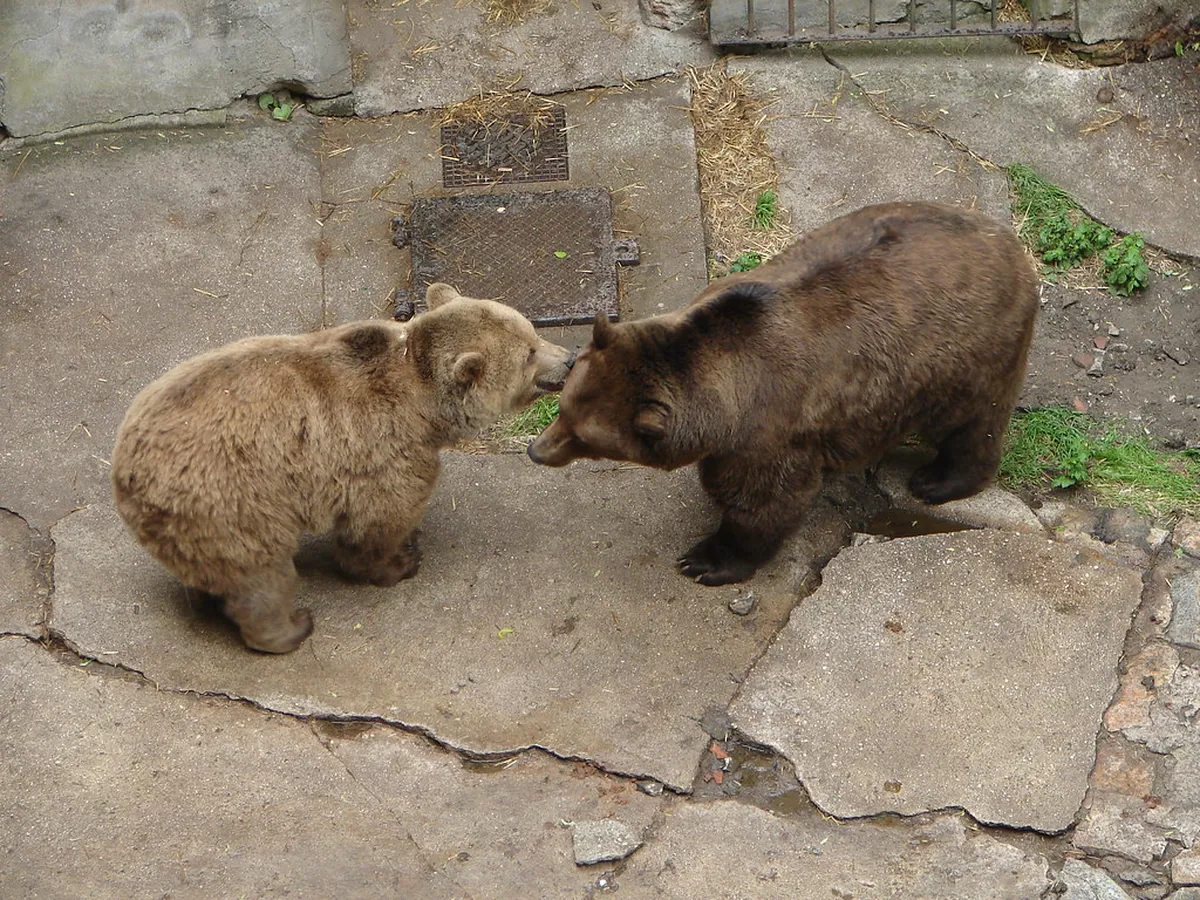
The history of bear keeping in Český Krumlov is a fascinating tale. It spans over four hundred years of tradition. These majestic animals live in the moat of the Český Krumlov Castle. They represent the power and heritage of the local lords. Today, the bears are a major draw for tourists. Visitors from around the world come to see them. This guide explores the deep roots of this unique custom. You will learn why these bears are so important to the city.
The Origins of the Castle Bears
The tradition began with the noble Rosenberg family. They were the most powerful lords in Southern Bohemia. They claimed a connection to the Italian Orsini family. The name Orsini comes from the Latin word for bear. This legend gave the Rosenbergs a prestigious lineage. They started keeping bears to prove this royal link.
The first records of bears date back to the 16th century. Wilhelm von Rosenberg was a key figure in this era. He likely introduced the animals to the castle grounds. Initially, the bears were kept in the courtyards. Later, they moved to the specialized moat area. This move happened during the reign of the Eggenberg family.
The bears became a symbol of the castle's strength. They guarded the entrance to the inner palace. This practice continued under the Schwarzenberg family. They expanded the moat to its current size. Today, the Český Krumlov Castle bears remain a living legacy. They are cared for by dedicated specialists at the State Castle and Chateau.
9 Ways to Explore the History of Bear Keeping in Český Krumlov
To truly understand this tradition, you must visit specific spots. Each location tells a different part of the story. From ancient stone carvings to modern festivals, the bears are everywhere. Use this list to plan your historical tour of the castle grounds.
- Name: The Castle Bear Moat Type: Sight Why go: This is the primary home of the bears since the 1700s. Best for: Seeing the bears in a historic setting. Where: Between the first and second castle courtyards. Time: 15-30 minutes. Cost: Free to view from the bridge. Getting there: Walk from the main castle entrance. Tip: Visit in the morning when the bears are most active.
- Name: The Rosenberg Family Crest Type: Sight Why go: See the bear symbols carved into the castle walls. Best for: History buffs and photographers. Where: Various locations across the UNESCO world heritage site. Time: 10 minutes. Cost: Free. Getting there: Look up while walking through the courtyards. Tip: Find the crest above the main gate.
- Name: Bear Christmas Festival Type: Experience Why go: A unique local tradition where locals bring food to the bears. Best for: Families and winter travelers. Where: The Bear Moat. Time: 1 hour. Cost: Free (donations of fruit/honey welcome). Getting there: Held annually on December 24th. Tip: Arrive early as it gets very crowded.
- Name: Castle Museum Bear Exhibit Type: Museum Why go: Learn about the biological history of the bears. Best for: Educational insights. Where: The Castle Museum in the second courtyard. Time: 45 minutes. Cost: Paid entry to the museum. Getting there: Enter via the museum reception. Tip: Check out the historical photos of past bear keepers.
- Name: The Bear Keeper's House Type: Sight Why go: See where the officials who cared for the bears lived. Best for: Architectural interest. Where: Near the first courtyard. Time: 5 minutes. Cost: Free (exterior view). Getting there: Located right next to the moat. Tip: Look for the small windows facing the bear enclosure.
- Name: The Cloak Bridge Type: Viewpoint Why go: Offers a high-angle view of the entire moat system. Best for: Panoramic photos of the castle. Where: Between the fourth and fifth courtyards. Time: 20 minutes. Cost: Free. Getting there: Follow the path toward the castle theater. Tip: This is one of the most unique places in Český Krumlov for sunset.
- Name: Renaissance Bear Statues Type: Sight Why go: Admire historical sculptures of bears from the 16th century. Best for: Art lovers. Where: Scattered around the castle gardens and interiors. Time: 15 minutes. Cost: Included with castle tours. Getting there: Join a guided castle interior tour. Tip: Ask your guide to point out the oldest carvings.
- Name: Bear Birthday Celebration Type: Experience Why go: Celebrate the birthdays of the current resident bears. Best for: Animal lovers. Where: The Bear Moat. Time: 1 hour. Cost: Free. Getting there: Dates vary; check the official castle website. Tip: You might see the bears eating a special "cake" made of fruit.
- Name: The Castle Archives Type: Experience Why go: View documents detailing the costs of feeding bears in the 1700s. Best for: Serious researchers. Where: State Regional Archive in the castle. Time: 1-2 hours. Cost: Free (appointment usually required). Getting there: Located in the upper castle. Tip: Most documents are in Czech or German.
Planning Your Visit to the Castle Moat
Visiting the bears is a highlight for many. It is important to plan ahead. The bears hibernate during the winter months. You can usually see them from April to October. Knowing when to see the bears in the moat is key. They are most active during their feeding times.
Please respect the animals during your visit. Do not throw food or objects into the moat. The keepers provide a balanced diet for them. Modern care standards are very high today. The enclosure includes water features and climbing structures. These elements keep the bears healthy and engaged.
The castle is very busy in the summer. Try to visit early in the morning. This allows you to avoid the largest crowds. You can also get better photos of the bears. The bridge over the moat is the best viewing spot. From there, you can see the history of bear keeping in Český Krumlov come to life.
Frequently Asked Questions
When did the history of bear keeping in Český Krumlov begin?
The tradition officially began in the late 16th century. The Rosenberg family introduced the bears to show their noble lineage. They claimed to be related to the Italian Orsini family. This connection made the bear a central symbol for the city and the castle.
Are the bears at Český Krumlov Castle well cared for?
Yes, the bears receive professional care from specialized keepers. They follow modern animal welfare standards. The moat has been renovated to include natural elements. These include pools, trees, and hiding spots. The bears also receive regular veterinary check-ups and a healthy diet.
Can you see the bears in winter?
It is difficult to see the bears in winter. They usually hibernate from late November until March. During this time, they stay in their indoor dens. The best time to visit is during the spring or summer months. The Bear Christmas on December 24th is a rare exception.
The history of bear keeping in Český Krumlov is a vital part of the city's identity. It connects the past with the present. By visiting the moat, you honor a 400-year-old tradition. Always remember to be a respectful visitor. Many people wonder are the castle bears treated well, and today's standards ensure they are. Enjoy your trip to this magical UNESCO site!
Official resources
Use these sources for official schedules, tickets, routes, and updates.
- Český Krumlov Official Tourism — Official DMO portal. (unverified)
- Visit Czechia — National tourism board. (unverified)
- UNESCO World Heritage Centre — Official UNESCO listing. (unverified)
- Lonely Planet — Major editorial travel guide. (unverified)
- State Castle and Chateau Český Krumlov — Official landmark site. (unverified)