
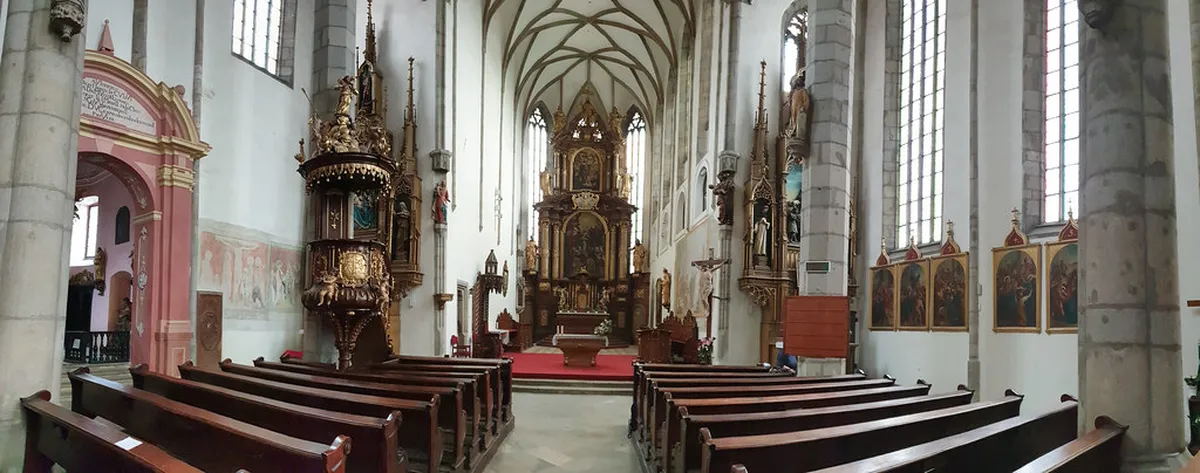
The History of Church of St Vitus Český Krumlov
The history of church of st vitus Český Krumlov is a journey through centuries of Bohemian heritage. This towering landmark stands as a symbol of spiritual and political power in Southern Bohemia. It shares the town's skyline with the famous castle. Visiting this site allows you to see incredible art and ancient architecture. It remains one of the most significant Church of St. Vitus landmark examples in Europe. Whether you love history or art, this church will capture your imagination. Let's explore the stories behind its stone walls and soaring vaults.
10 Highlights from the History of Church of St Vitus Český Krumlov
The church has survived wars, fires, and changing dynasties over the last 700 years. Each era left a unique mark on the building's design and purpose. Today, it serves as a primary place of worship and a cultural treasure. You can see the influence of the powerful Rosenberg family throughout the interior. Their patronage helped shape the church into a masterpiece of Gothic design.
Understanding the history of church of st vitus Český Krumlov requires looking at its specific features. From royal tombs to intricate altars, every corner tells a story. Here are the top historical highlights you should see during your visit.
- Best overall: The Late Gothic Vaulting
- Best for families: The Church Tower
- Best rainy-day: The Resurrection Chapel Frescoes
- Best free: The Exterior Architecture
- Name: The 1309 Foundation Type: Sight Why go: This marks the very beginning of the parish history. Best for: History buffs. Where: The lower foundation stones of the nave. Time: 10 minutes. Cost: Free. Getting there: Walk from the main square. Tip: Look for the oldest masonry near the entrance.
- Name: The Late Gothic Net Vault Type: Experience Why go: It is a rare architectural feat from the 1400s. Best for: Architecture lovers. Where: The main ceiling of the nave. Time: 15 minutes. Cost: Free. Getting there: Enter through the main doors. Tip: Bring binoculars to see the detailed stone ribs.
- Name: The Rosenberg Mausoleum Type: Sight Why go: It holds the remains of the town's former rulers. Best for: Learning about local nobility. Where: Located in the chancel. Time: 20 minutes. Cost: Included in entry. Getting there: Head to the front of the church. Tip: Read the plaques to identify the different family members.
- Name: St. John of Nepomuk Chapel Type: Sight Why go: This Baroque addition features stunning marble work. Best for: Art enthusiasts. Where: The left side of the nave. Time: 15 minutes. Cost: Free. Getting there: Follow the side aisle to the north. Tip: Notice the contrast between Gothic and Baroque styles here.
- Name: The High Altar Type: Sight Why go: It features a massive painting of the Coronation of the Virgin Mary. Best for: Religious art appreciation. Where: The main sanctuary. Time: 10 minutes. Cost: Free. Getting there: Walk straight toward the front. Tip: The altar is best viewed when the morning light hits it.
- Name: The Resurrection Chapel Type: Experience Why go: It contains unique 15th-century frescoes that survived for centuries. Best for: Seeing rare medieval art. Where: A small side chapel. Time: 15 minutes. Cost: Free. Getting there: Ask a guide for the chapel location. Tip: The lighting is dim to protect the old paint.
- Name: The Church Tower Type: Viewpoint Why go: It offers a different perspective of the town than the castle. Best for: Photographers. Where: The western end of the building. Time: 30 minutes. Cost: Small fee for tower access. Getting there: Use the small side staircase. Tip: Check the weather as the tower may close during rain.
- Name: The Neo-Gothic Organ Type: Experience Why go: The acoustics in the church are world-class. Best for: Music fans. Where: The rear choir loft. Time: 10 minutes. Cost: Free. Getting there: Look up toward the back of the nave. Tip: Try to visit during a scheduled recital or mass.
- Name: The Castle Connection Path Type: Sight Why go: This path shows how the lords walked to church. Best for: Understanding city layout. Where: Between the church and the Cloak Bridge architecture and views area. Time: 20 minutes. Cost: Free. Getting there: Exit the church and head toward the river. Tip: This is a great spot for photos of the church exterior.
- Name: UNESCO Heritage Plaque Type: Sight Why go: It marks the church's status as a world treasure. Best for: General tourists. Where: Near the main entrance. Time: 5 minutes. Cost: Free. Getting there: Visible before you enter. Tip: Use this as a meeting point for your group.
Architectural Evolution of the Church
The structure we see today is primarily a Gothic masterpiece. Construction began in the early 14th century to replace an older building. The most significant work happened between 1407 and 1439. During this time, builders created the iconic net vaulting. This style was very modern for the medieval period. It allowed for taller windows and more natural light.
In the 18th century, the interior received a Baroque makeover. Many of the altars and statues date from this ornate era. However, the 19th century brought a wave of Neo-Gothic restoration. Architects wanted to return the church to its medieval roots. They removed some Baroque elements to highlight the Gothic stone. You can learn more about the town's style at the State Castle and Chateau Český Krumlov site. This mix of styles makes the church a living history book.
Practical Tips for Your Visit
Visiting the Church of St. Vitus is a highlight of any trip. Most visitors spend about 45 minutes exploring the interior. It is an active place of worship, so please be respectful. Silence is expected even when a mass is not happening. You should also check the mass times at St. Vitus Church before arriving. This ensures you do not disturb a religious service.
Photography is usually allowed but avoid using a flash. The light can damage the ancient frescoes and paintings. If you want to see the best views, visit in the afternoon. The sun illuminates the stained glass beautifully at that time. For more general travel info, visit the Český Krumlov Official Tourism portal. This will help you find other must-see places in Český Krumlov nearby.
Frequently Asked Questions
What is the history of church of st vitus Český Krumlov?
The history of church of st vitus Český Krumlov dates back to 1309. It was built as a parish church for the growing town. Over centuries, it was expanded by the Rosenberg family. Today, it is a protected UNESCO site known for its stunning Gothic architecture and royal tombs.
Is there an entry fee for the Church of St. Vitus?
Entry to the main nave of the church is usually free. However, donations are highly encouraged to help with preservation. Some specific areas, like the tower or special exhibitions, may require a small fee. Always check the entrance signs for the latest visitor rules.
Can I take photos inside the church?
Yes, photography for personal use is generally permitted. However, you must turn off your flash to protect the artwork. Photography is strictly prohibited during religious services. Always look for posted signs regarding updated rules during your 2026 visit.
The history of church of st vitus Český Krumlov is essential to the town's identity. From its Gothic vaults to its royal history, it offers a deep look into the past. Make sure to include this landmark in your itinerary. It provides a peaceful contrast to the busy castle grounds. For more tips on exploring the area, check out our guide on must-see places in Český Krumlov. Enjoy your journey through this historic Bohemian gem.
Official resources
Use these sources for official schedules, tickets, routes, and updates.
- Český Krumlov Official Tourism — Official DMO portal. (unverified)
- Visit Czechia — National tourism board. (unverified)
- UNESCO World Heritage Centre — Official UNESCO listing. (unverified)
- Lonely Planet — Major editorial travel guide. (unverified)
- State Castle and Chateau Český Krumlov — Official landmark site. (unverified)