
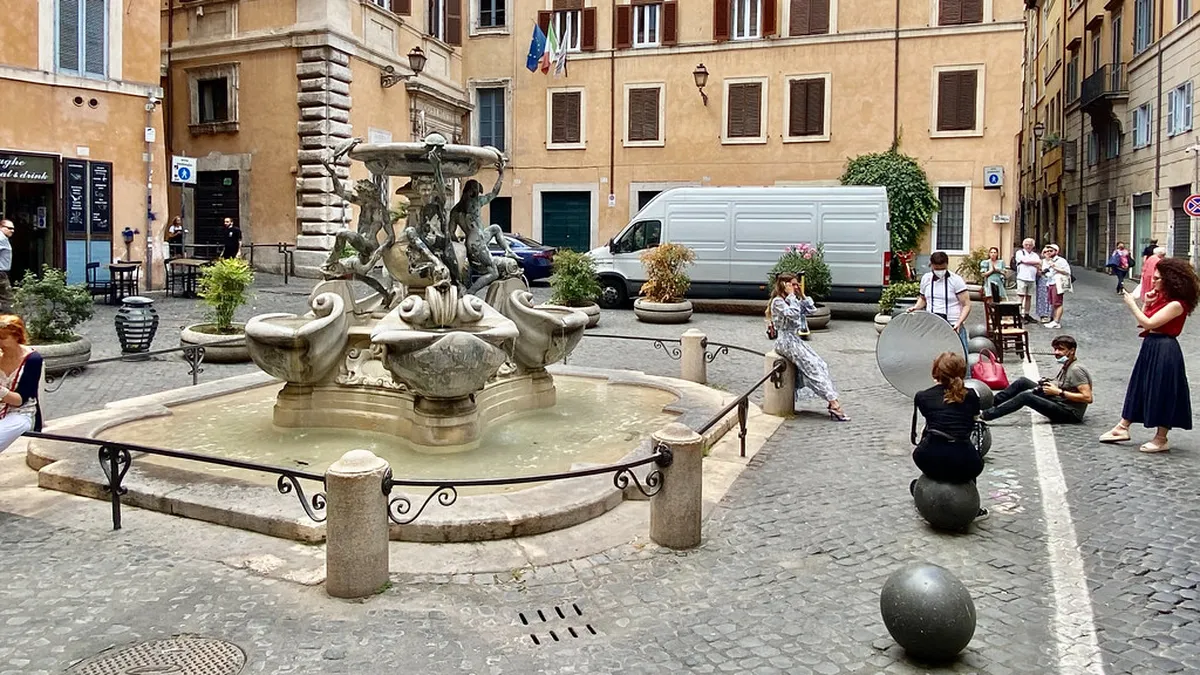
Exploring the History of the Arion and Turtle Fountain
Olomouc is a hidden gem in the Czech Republic. It is famous for its stunning architecture and historic water features. The history of the Arion and Turtle Fountain is particularly unique. While most fountains here are centuries old, this one is modern. It completes a set of Baroque masterpieces that define the city center. This guide will help you explore the Olomouc baroque fountains walking route with ease. You will learn about the legends and the art that make this city special.
The History of the Arion and Turtle Fountain in Context
The story of the Arion Fountain began long before its construction. In the 18th century, Olomouc built six magnificent Baroque fountains. These were based on Roman mythology. They served both as art and as a practical water supply. City planners originally wanted a seventh fountain to complete the set. However, this plan was delayed for over two hundred years.
In 2002, the city finally fulfilled this historical vision. They commissioned the famous sculptor Ivan Theimer to design the piece. Theimer is an Olomouc native who lives in France. He chose the legend of Arion for his theme. Arion was a Greek poet saved from the sea by a dolphin. This story symbolizes the power of art and music.
The fountain is often called the "Turtle Fountain" by locals. This is because of the large bronze turtles that surround the basin. These turtles represent longevity and stability. They also provide a playful element for children. Kids often climb on the bronze shells during the summer. The history of the Arion and Turtle Fountain shows how modern art can honor ancient traditions.
11 Must-See Stops on the Olomouc Fountains Walking Route
Following a walking route is the best way to see these sights. Most are located in the Upper and Lower Squares. Here are the essential stops for your itinerary.
- Name: Arion Fountain Type: modern experience Why go: It is the iconic "Turtle Fountain" with beautiful bronze details. Best for: Families and art lovers. Where: Upper Square (Horní náměstí). Time: 15 minutes. Cost: Free. Getting there: Walk to the south side of the Town Hall. Tip: Look closely at the turtle shells for hidden inscriptions.
- Name: Caesar Fountain Type: iconic sight Why go: It is the largest and most complex Baroque fountain in the city. Best for: History buffs. Where: Upper Square. Time: 10 minutes. Cost: Free. Getting there: Located in the center of the Upper Square. Tip: The statue depicts Julius Caesar, the legendary founder of the city.
- Name: Hercules Fountain Type: sight Why go: Features a powerful statue of Hercules fighting the Hydra. Best for: Photography. Where: Upper Square. Time: 10 minutes. Cost: Free. Getting there: North side of the Town Hall. Tip: Visit at night when the statues are beautifully lit.
- Name: Jupiter Fountain Type: sight Why go: Depicts the king of the gods with a lightning bolt. Best for: Mythology fans. Where: Lower Square (Dolní náměstí). Time: 5 minutes. Cost: Free. Getting there: A short walk from the Upper Square. Tip: This fountain was the last of the original Baroque set.
- Name: Neptune Fountain Type: sight Why go: The oldest of the city's Baroque fountains, built in 1683. Best for: Seeing original 17th-century art. Where: Lower Square. Time: 5 minutes. Cost: Free. Getting there: Located near the Marian Column. Tip: Check out the Olomouc Tourism Portal for seasonal water schedules.
- Name: Mercury Fountain Type: sight Why go: Considered the most artistically valuable of the Baroque group. Best for: Art historians. Where: Near the Prior department store. Time: 10 minutes. Cost: Free. Getting there: Walk towards 8. května street. Tip: The god Mercury is shown holding a caduceus.
- Name: Triton Fountain Type: sight Why go: Features intricate carvings of sea monsters and shells. Best for: Detail-oriented travelers. Where: Republic Square (Náměstí Republiky). Time: 10 minutes. Cost: Free. Getting there: Near the Museum of Art. Tip: This fountain has a very dynamic and spiraling composition.
- Name: Holy Trinity Column Type: iconic sight Why go: A UNESCO World Heritage site and the pride of Olomouc. Best for: Everyone. Where: Upper Square. Time: 20 minutes. Cost: Free. Getting there: You cannot miss it in the main square. Tip: Read more Holy Trinity Column facts to appreciate its size.
- Name: Olomouc Town Hall Type: neighborhood hub Why go: The central building of the city with a tall tower. Best for: Getting your bearings. Where: Upper Square. Time: 30 minutes. Cost: Free to view; small fee for tower. Getting there: Central point of the walking route. Tip: You can climb the tower for a view of all fountains.
- Name: Astronomical Clock Type: unique local experience Why go: A rare example of a clock redesigned in the Socialist Realist style. Best for: Fans of 20th-century history. Where: North wall of the Town Hall. Time: 15 minutes. Cost: Free. Getting there: Integrated into the Town Hall. Tip: Watch the Socialist Astronomical Clock strike at noon.
- Name: Olomouc Museum of Art Type: museum Why go: Holds excellent collections of modern and ancient art. Best for: Rainy days. Where: Denisova street. Time: 1-2 hours. Cost: Moderate. Getting there: Near the Triton Fountain. Tip: The museum often hosts exhibits about city architecture.
Practical Tips for Your Olomouc Walking Tour
Plan to spend at least half a day in the city center. Most fountains are within five minutes of each other. Wear comfortable shoes as the squares have cobblestones. The walking route is mostly flat and accessible. In 2026, expect the fountains to run from April to October.
The Arion Fountain is the best place to rest. Its large basin and low edge make it a popular meeting spot. You can find many cafes nearby with outdoor seating. This allows you to admire the history of the Arion and Turtle Fountain while enjoying a coffee. If you want more ideas, check out other unique places in Olomouc.
Frequently Asked Questions
Why is the Arion Fountain called the Turtle Fountain?
The Arion Fountain is called the Turtle Fountain because it features several large bronze turtles. Sculptor Ivan Theimer used these animals to represent stability and longevity. They have become the most recognizable part of the fountain, especially for children who enjoy playing on them.
When was the Arion Fountain in Olomouc built?
The Arion Fountain was completed in 2002. It was designed to fulfill a 300-year-old plan to have a seventh fountain in the city center. The project was led by sculptor Ivan Theimer and successfully integrated modern art into the historic Baroque environment of Olomouc.
Is the Olomouc fountains walking route free?
Yes, the walking route to see the Baroque and modern fountains is completely free. All the major fountains are located in public squares. You can visit them at any time of day without paying an entrance fee, making it a great budget-friendly activity.
Exploring the history of the Arion and Turtle Fountain is a highlight of any trip to Moravia. This modern masterpiece perfectly complements the ancient Baroque fountains. Whether you are a fan of mythology or just enjoy a scenic walk, Olomouc will not disappoint. Start your journey at the Upper Square and take your time at each stop. You will soon see why this city is one of the most beautiful in Europe.
Official resources
Use these sources for official schedules, tickets, routes, and updates.
- Olomouc Tourism Portal — unverified: Official DMO site.
- Statutory City of Olomouc — unverified: Municipal government portal.
- Visit Czechia - Olomouc — unverified: National tourism board page.
- UNESCO World Heritage Centre — unverified: Official UNESCO designation page.
- Lonely Planet Olomouc — unverified: Major international travel editorial.